Can the brain recover from drug use? The short answer is yes. The brain has an incredible ability to grow, adapt, and heal—even after prolonged drug use. While addiction can change how the brain functions, it does not permanently eliminate the brain’s capacity for recovery.
With the right treatment, support, and time, many of those changes can be stabilized, rewired, and improved. At 30:17 Recovery in Jackson, TN, we help individuals harness this natural ability to rebuild healthier patterns and reclaim their lives.
Understanding how recovery works begins with understanding a powerful concept called neuroplasticity.
The Science of Neuroplasticity: How the Brain Rewires Itself
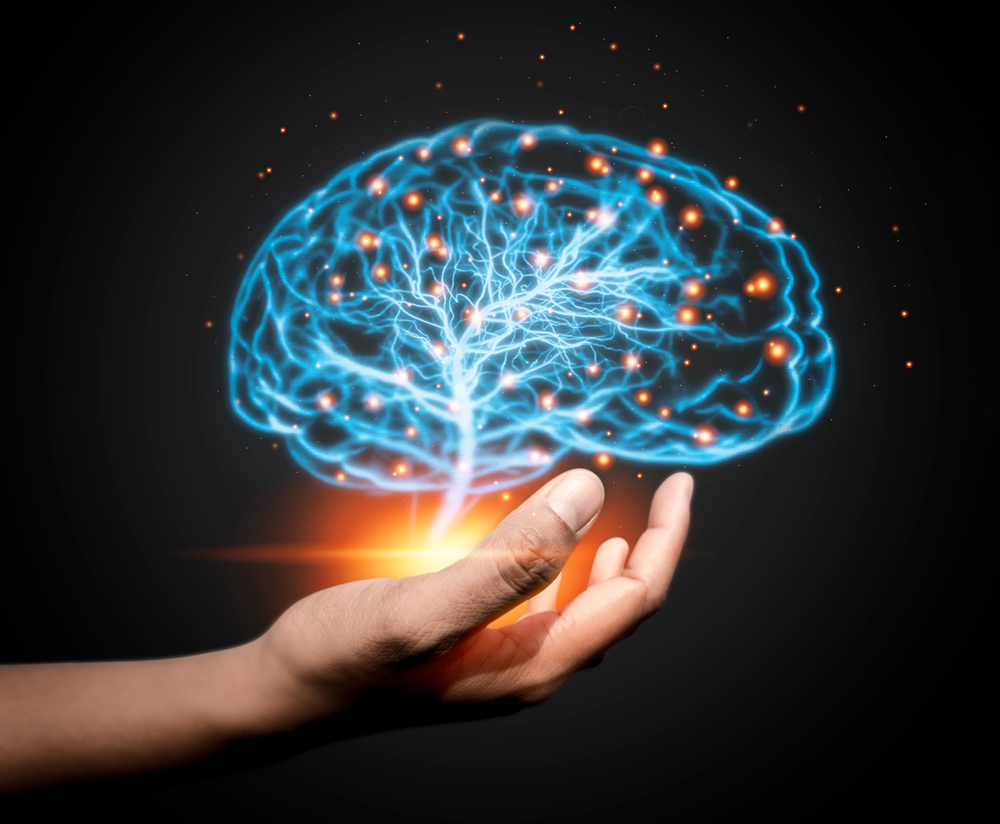
Neuroplasticity refers to the brain’s ability to reorganize itself by forming new neural connections. Every thought, habit, and behavior you repeat strengthens certain pathways in the brain. Addiction creates deeply ingrained pathways centered on craving, reward, and survival-driven drug seeking. But those pathways are not fixed.
The same mechanism that allowed addiction to take hold also supports recovery
When someone stops using substances and begins engaging in healthy behaviors—therapy, connection, structure, and purpose—the brain begins building new circuits. Over time, these new pathways can become stronger than the old ones.
Neuroplasticity allows for:
- Relearning how to experience pleasure without substances
- Restoring emotional regulation and stress tolerance
- Improving decision-making and impulse control
- Rebuilding memory, focus, and motivation
- Developing new habits that support long-term recovery
Recovery is not about “going back” to the brain you once had. It is about building a stronger, more resilient brain.
How Drugs Change and Damage the Brain
While recovery is possible, it is important to understand that substance use—especially opioids—can significantly alter brain structure and function. These changes explain why addiction is not simply a matter of willpower.
Disruption of the Brain’s Reward System
Opioids flood the brain with dopamine, creating an artificial sense of relief and pleasure. Over time, the brain reduces its natural dopamine production. This leads to:
- Loss of interest in everyday activities
- Emotional numbness
- Dependence on substances to feel normal
Impaired Decision-Making and Judgment
Drug use affects the prefrontal cortex, the area responsible for reasoning, planning, and self-control. This can result in:
- Increased impulsivity
- Difficulty evaluating consequences
- Strong cravings despite negative outcomes
Heightened Stress Response
Addiction alters the brain’s stress circuitry, making individuals more reactive to discomfort, anxiety, or emotional pain. Even small stressors can trigger intense urges to use.
Memory and Learning Changes
The hippocampus and amygdala—centers for memory and emotion—become wired to associate drugs with survival. This is why certain places, people, or emotions can trigger cravings even years later.
Reduced Ability to Experience Natural Pleasure
Because the brain adapts to powerful drug-induced stimulation, ordinary rewards like relationships, hobbies, or accomplishments may initially feel dull. This condition, sometimes called anhedonia, improves as the brain heals.
These changes are real. But they are also reversible to a meaningful degree with proper treatment.
How Suboxone Can Help the Brain Recover Faster
Medication-assisted treatment (MAT), including Suboxone, plays a critical role in stabilizing the brain so recovery can begin.
Suboxone works by partially activating opioid receptors without producing the intense high of full opioids. This allows it to reduce withdrawal symptoms and cravings while preventing relapse.
From a neurological perspective, Suboxone helps by:
- Stabilizing disrupted brain chemistry so healing can begin
- Reducing the cycle of intoxication and withdrawal that damages neural systems
- Allowing the prefrontal cortex to regain control over behavior
- Lowering stress responses that trigger relapse pathways
- Creating the mental clarity needed for therapy and lifestyle change
Instead of constantly fighting cravings, individuals can focus on rebuilding healthy neural connections. This stability gives the brain the time it needs to repair and re-regulate itself.
Why You Can’t Simply “Go Back to Normal”
One of the biggest misconceptions about addiction recovery is the idea that someone can return to their old routines once they stop using. Because addiction reshapes neural pathways, those old environments and habits can reactivate the same circuitry that once drove substance use.
Recovery requires intentionally building a new way of living.
Safeguards That Help Prevent Relapse
To avoid triggering old neural pathways, individuals in recovery benefit from creating protective structures such as:
- Establishing new daily routines that reinforce stability
- Avoiding environments associated with past drug use
- Developing stress-management tools like exercise, mindfulness, or counseling
- Participating in therapy to retrain emotional responses
- Building supportive relationships that reinforce recovery goals
- Continuing medication management when clinically appropriate
- Setting meaningful personal goals that provide purpose and motivation
These safeguards are not restrictions. They are tools that allow the brain to strengthen healthier circuits until they become second nature.
The Timeline of Brain Recovery
Healing is not instant, but it begins sooner than many people expect.
In the first weeks of recovery, the brain starts recalibrating its chemistry. Sleep improves, stress responses stabilize, and cognitive clarity returns. Click here to learn more about the recovery timeline.
Over several months:
- Dopamine systems regain balance
- Emotional responsiveness increases
- Concentration and memory improve
- Cravings decrease in intensity and frequency
Over the long term, many individuals experience profound neurological and psychological growth, often reporting that they function better than they did before addiction.
Recovery Often Brings Unexpected Freedom
Many people entering treatment fear they will never feel joy, creativity, or connection again. The opposite is often true.
As the brain heals, individuals frequently describe:
- A renewed ability to experience genuine happiness
- Clearer thinking and stronger focus
- Greater emotional depth and connection to others
- Rediscovered creativity and personal interests
- A sense of freedom no longer controlled by substances
Even though addiction leaves its mark, it does not define the future. With support and intentional change, people can build lives that are more meaningful than they imagined possible.
Recovery Is Not Just Physical—It’s Transformational
Healing from opioid use is not simply about removing a substance. It is about retraining the brain, restoring balance, and creating new patterns that support long-term wellness.
At 30:17 Recovery, treatment focuses on both the biological and behavioral aspects of addiction. By combining medication-assisted treatment like Suboxone with counseling, structure, and compassionate care, we help individuals give their brains the environment they need to heal.
Your Brain Can Recover More Than You Think
So, can the brain recover from drug use? Yes—often far more than people expect.
The brain’s ability to adapt means that damage does not have to be permanent. With the right treatment plan, new neural pathways can form, emotional health can return, and individuals can reclaim their ability to think clearly, feel deeply, and live purposefully.
If you or someone you love is struggling with opioid addiction, recovery is possible. Learn more about compassionate, evidence-based opiate recovery at 30:17 Recovery in Jackson, TN, and take the first step toward healing the brain and rebuilding your life. Click here to reach out.